


 |
 |
 |
 |
 |
 |
 |
 |
 |
 |
Our Research
Our Group
Welcome to The Lin Research Group in the School of Materials Science and Engineering at Georgia Institute of Technology. Our research focuses on nanostructured functional materials (NanoFM). Major research thrusts in this area include materials for energy conversion and energy storage; wholly-soft polymeric materials synthesis for novel nanocomposites design; wholly-hard inorganic materials synthesis for novel nanocomposites design; novel hybrid (hard/soft) nanocomposite materials design and synthesis; materials characterization; and nanoscale assembly.
An extensive list of materials currently under investigation includes polymer-based nanocomposites, block copolymers, polymer blends, conjugated polymers, quantum dots (rods, tetrapods, wires), magnetic nanocrystals, metallic nanocrystals, semiconductor metal oxide nanocrystals, ferroelectric nanocrystals, multiferroic nanocrystals, upconversion nanocrystals, thermoelectric nanocrystals, core/shell nanoparticles (nanorods), hollow nanocrystals, Janus nanocrystals, nanopores, nanotubes, hierarchically structured and assembled materials, and semiconductor organic-inorganic nanohybrids.
The goal of our research is to understand the fundamentals of these nanostructured materials. We intend to create these nanostructures in a precisely controllable manner and to exploit the structure-property relationships in the development of multifunctional materials for potential use in energy conversion (e.g., solar cells, photocatalysis, and hydrogen generation) and storage (e.g., batteries), electronics, optics, optoelectronics, magnetic materials and devices, nanotechnology, and biotechnology. Our current research projects are:
Current Research Projects:
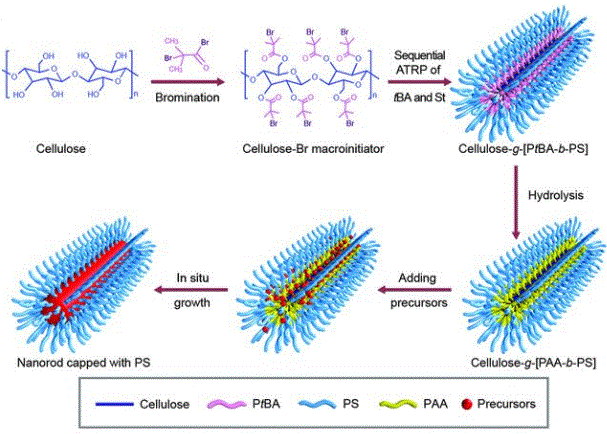
A General and Robust Strategy for Monodisperse Functional Nanocrystals (i.e., Plain, Core/Shell, Hollow and Janus Nanocrystals)
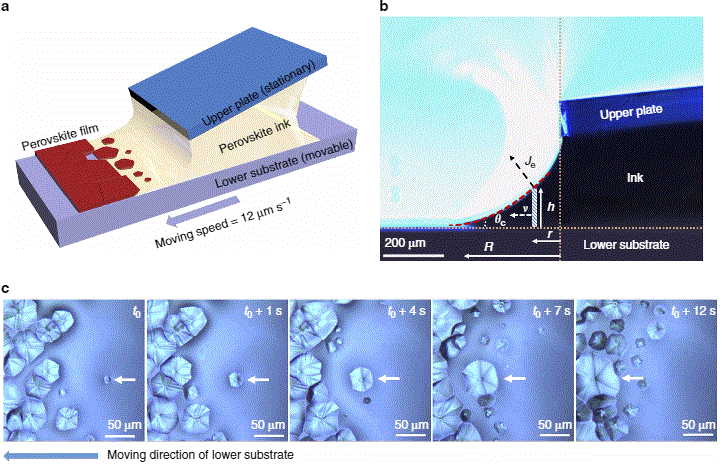
Materials for Solar Energy Conversion
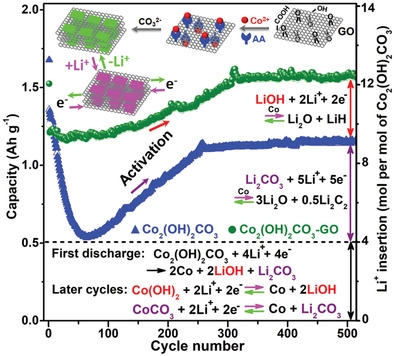
Materials for Energy Storage
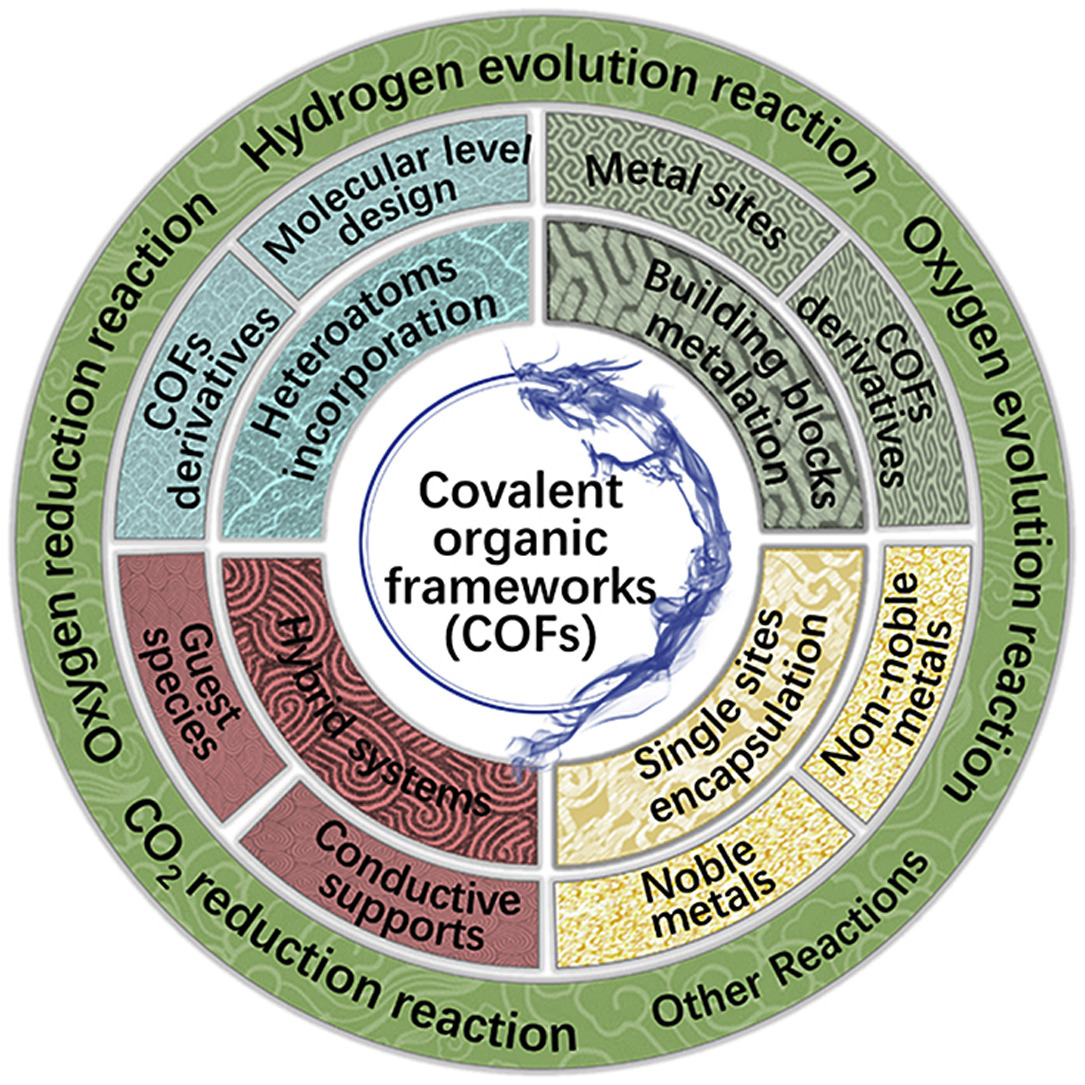
Materials for Photocatalysis and Electrocatalysis

Materials for Thermoelectrics
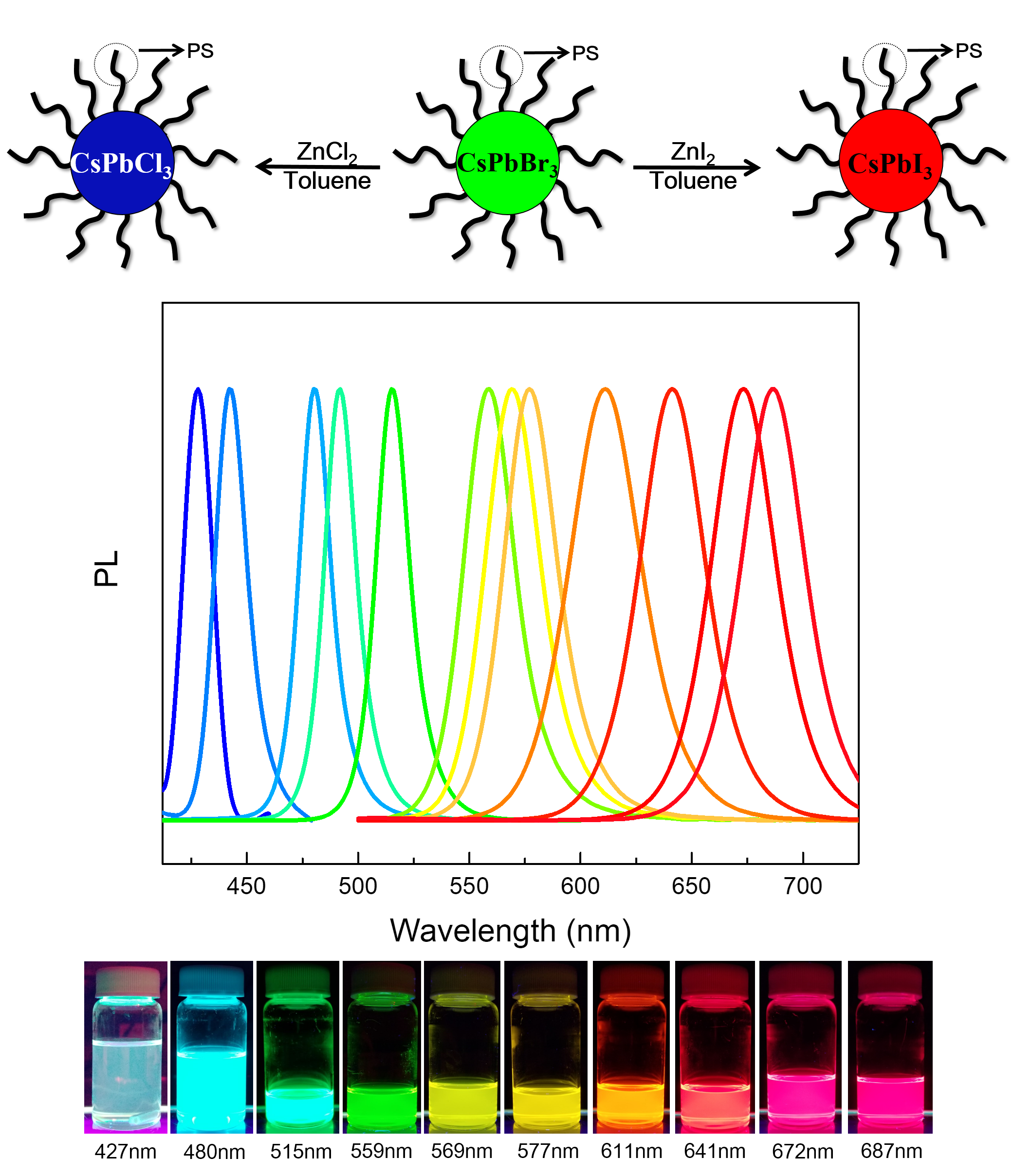
Perovskite Quantum Dots for Sensing, Lasing, and LEDs
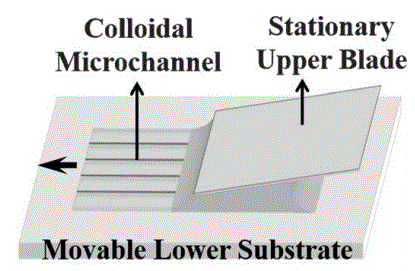
Flow-Enabled Self-Assembly (FESA)
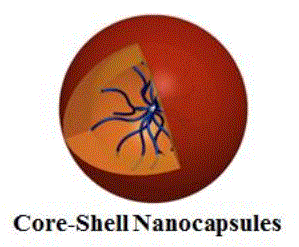
Functional Nanomaterials
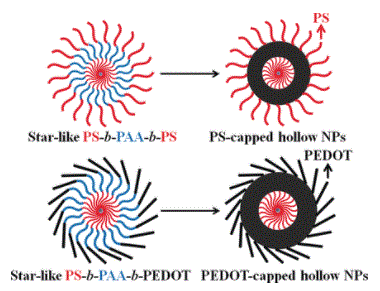
Synthesis, Characterization and Self-Assembly of Nonlinear Functional Homopolymers and Block Copolymers via a Combination of Living Polymerizations (e.g., ATRP and RAFT) and Click Reaction
Representative Publications:
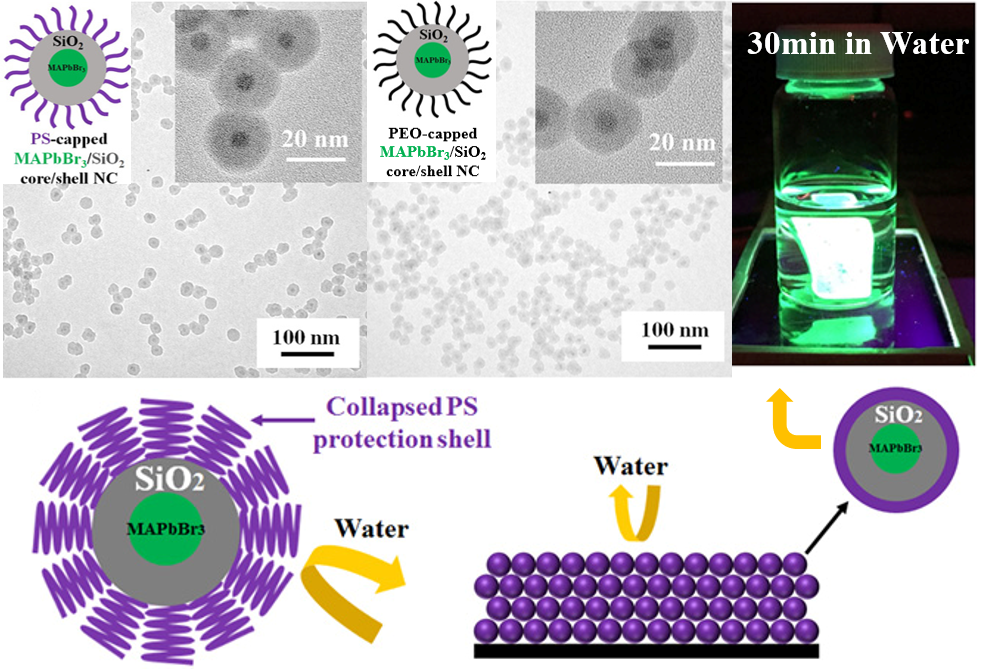
Y. He, Y. J. Yoon, Y. W. Harn, G. V. Biesold-McGee, S. Liang, C. H. Lin, V. V. Tsukruk, N. Thadhani, Z. Kang, and Z. Lin, "Unconventional Route to Dual-Shelled Organolead Halide Perovskite Nanocrystals with Controlled Dimensions, Surface Chemistry and Stabilities”, Science Advances 5, eaax4424 (2019).[PDF].
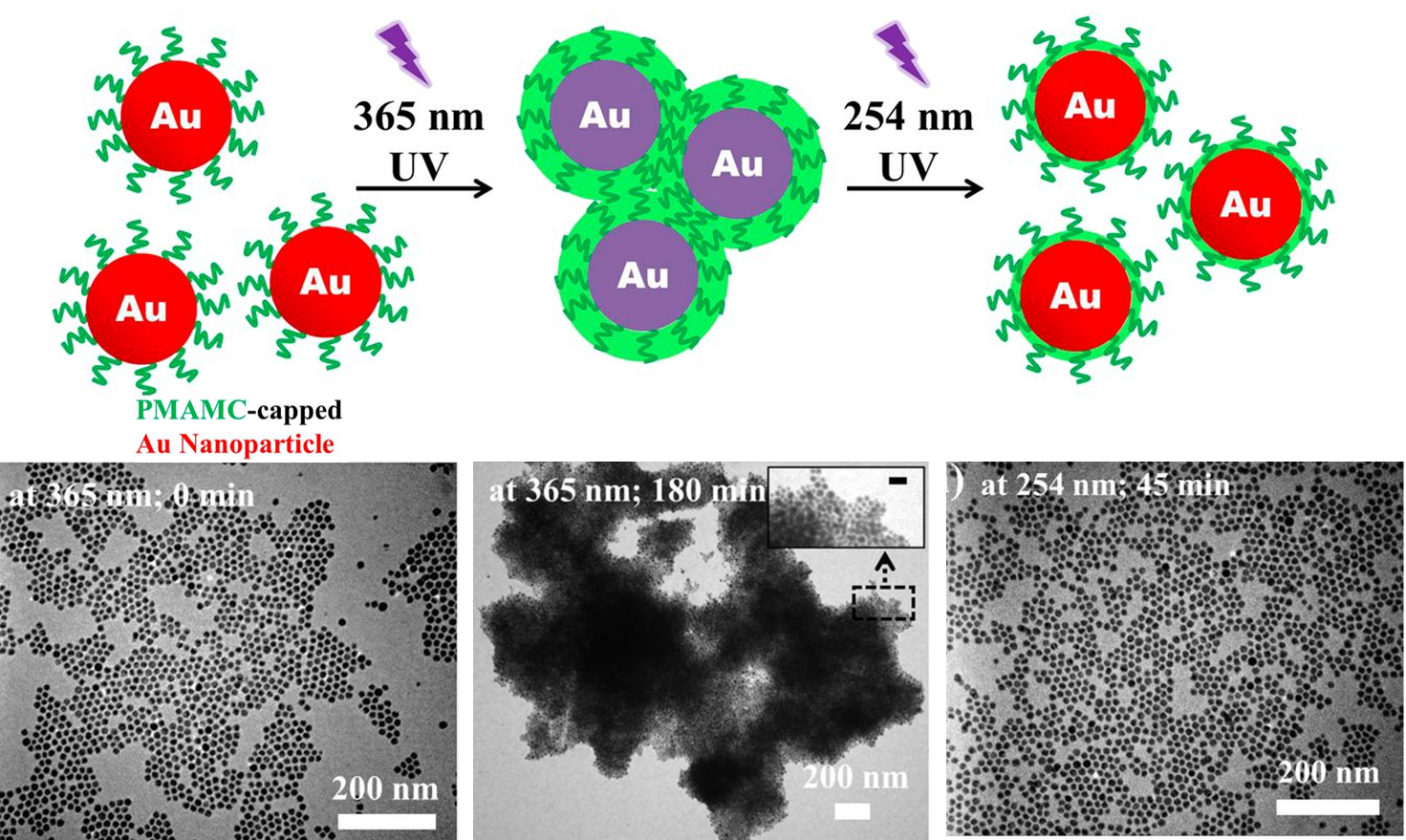
Y. Chen, Z. Wang, Y. He, Y. J. Yoon, J. Jung, G. Zhang, and Z. Lin, "Light-Enabled Reversible Self-Assembly and Tunable Optical Properties of Stable Hairy Nanoparticles”, Proceedings of the National Academy of Sciences of the United State of America. 115, E1391 (2018).[PDF].
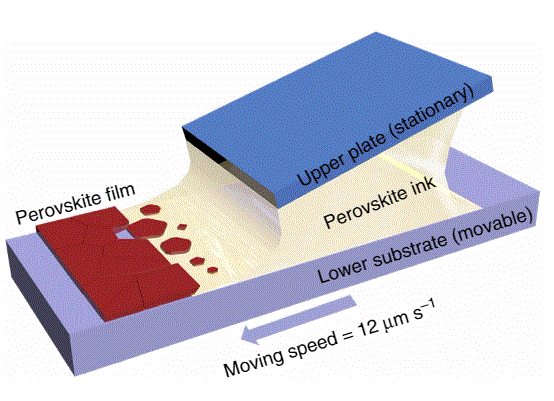
M. He, B. Li, X. Cui, B. Jiang, Y. He, Y. Chen, D. O’Neil, P. Szymanski, M. A. EI-Sayed, J. Huang, and Z. Lin, "Meniscus-Assisted Solution Printing of Large-Grained Perovskite Films for High-Efficiency Solar Cells”, Nature Communications. 8, 16045 (2017).[PDF].
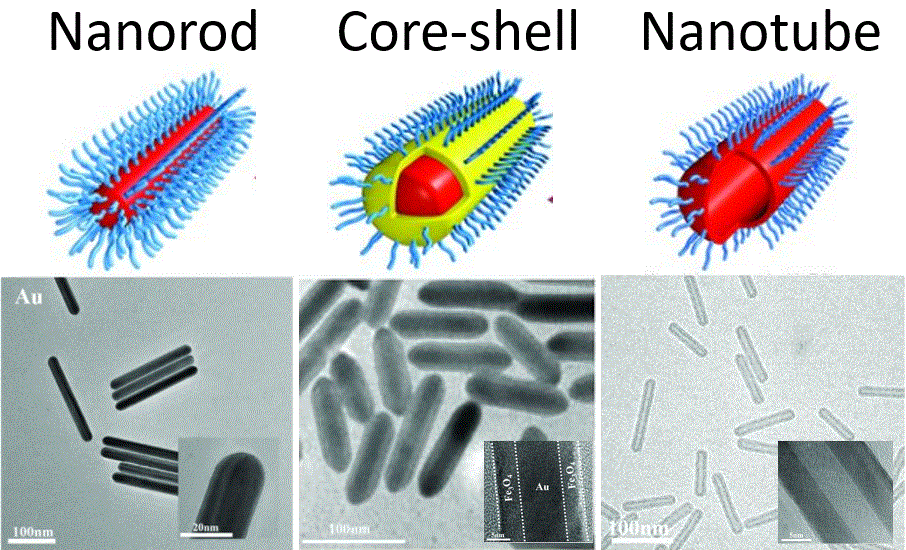
X. Pang, Y. He, J. Jung, and Z. Lin, "1D Nanocrystals with Precisely Controlled Dimension, Composition and Architecture”, Science. 353, 1268 (2016). [Abstract][Reprint][Full text].
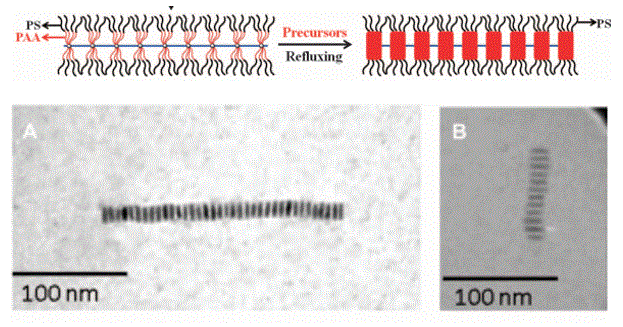
H. Xu, Y. Xu, X. Pang, Y. He, J. Jung, H. Xia, and Z. Lin, "A general route to nanocrystal kebabs periodically assembled on stretched flexible polymer shish”, Science Advances. 1, e1500025 (2015).[PDF].
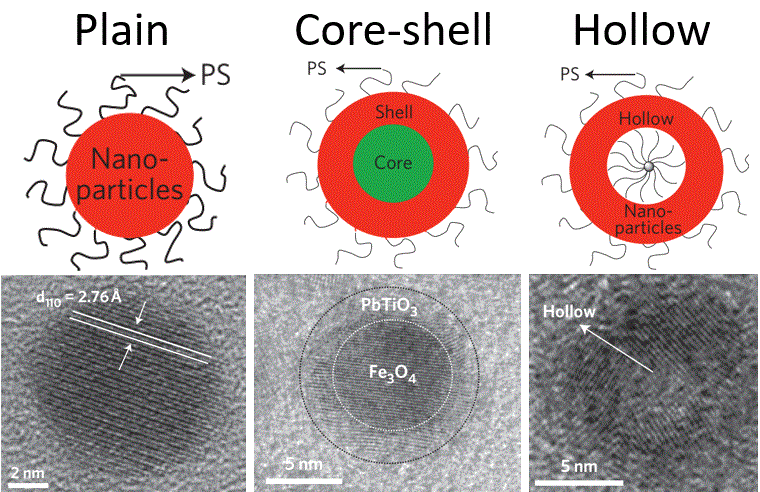
X. Pang, L. Zhao, W. Han, X. Xin, and Z. Lin, "A general and robust strategy for the synthesis of nearly monodisperse colloidal nanocrystals”, Nature Nanotechnology, 8, 426 (2013).[PDF]
Georgia Tech MSE faculty webpage: http://www.mse.gatech.edu/people/zhiqun-lin
The Lin research group webpage: http://nanofm.mse.gatech.edu/
Georgia Tech MSE webpage: http://mse.gatech.edu/
Georgia Tech webpage: http://www.gatech.edu/
Group News
The Lin Research Group,
last modified
08/08/2011 08:08 AM
Hit Count
School of Materials
Science and Engineering @ Georgia Institute of Technology, Atlanta, GA, 30332
Copyright of Zhiqun Lin